




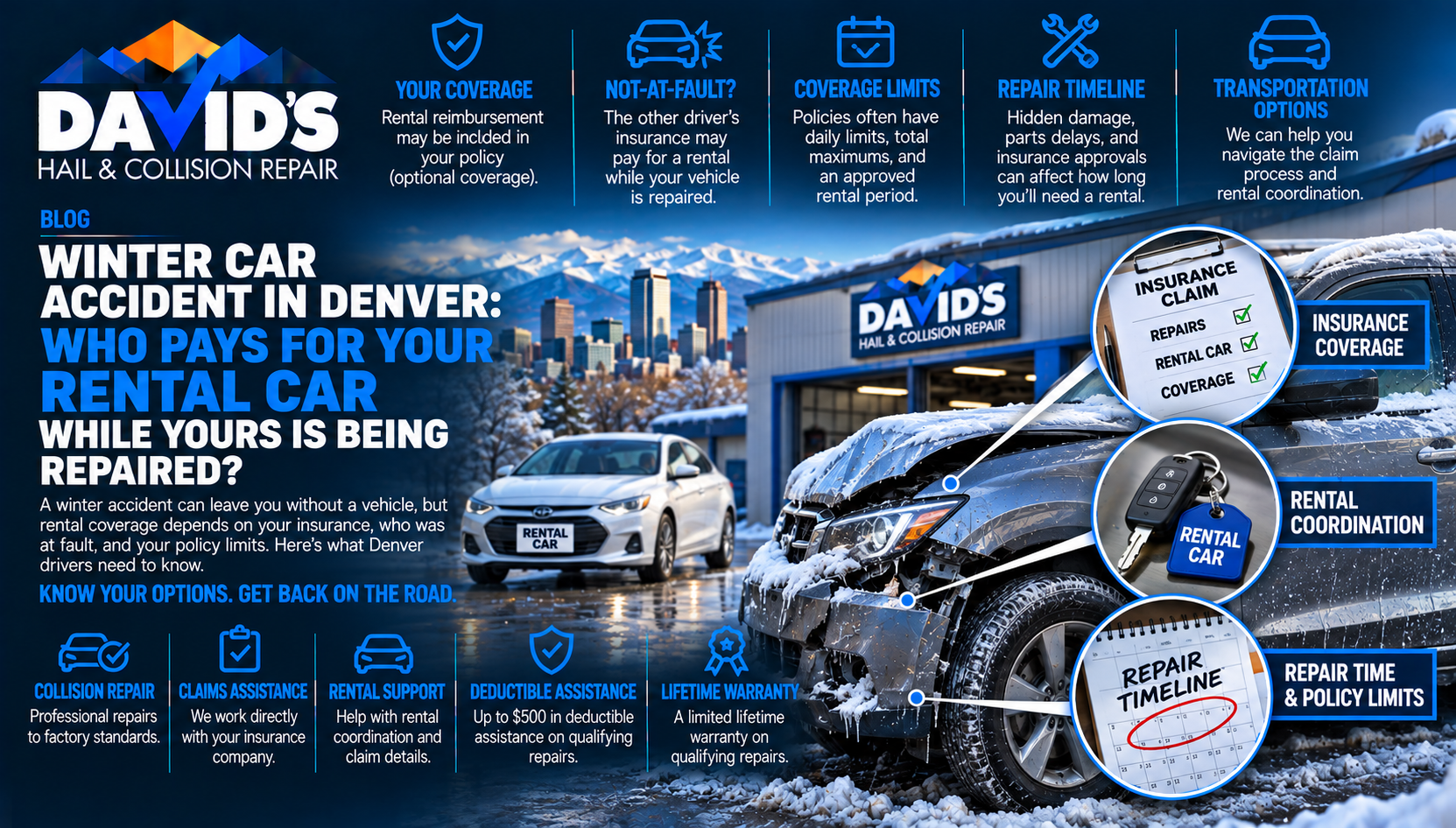
Winter Car Accident in Denver: Who Pays for Your Rental Car While Yours Is Being Repaired?
A winter car accident in Denver can leave you dealing with more than vehicle damage. Between insurance claims, repair estimates, parts availability, and finding a reliable collision repair shop, there’s another immediate concern: How are you supposed to get to work, pick up your kids, or handle everyday responsibilities while your car is being repaired?
Many drivers assume their insurance company will automatically provide a rental car after an accident. Unfortunately, that’s not always the case.
Who pays for a rental car after an accident depends on your insurance coverage, who was responsible for the collision, and the circumstances of your claim. Even when rental coverage is available, daily limits, maximum benefits, and repair delays can affect how much you pay out of pocket.
At David’s Hail & Collision Repair, we help Denver-area drivers navigate the collision repair process, communicate with insurance companies, and understand their transportation options while their vehicles are being repaired.
Here’s what Colorado drivers should know about rental car coverage after a winter accident.
Does Car Insurance Pay for a Rental Car After an Accident?
Car insurance may cover a rental car after an accident, but coverage isn’t automatic. If you use your own policy, rental reimbursement generally must be included in your coverage. If another driver caused the accident, their liability insurer may pay reasonable rental expenses when liability and coverage are established.
The answer depends on which insurance policy is handling the claim.
There are generally two situations:
- You’re using your own insurance: Rental reimbursement coverage may help pay for temporary transportation while your vehicle is undergoing repairs for a covered loss.
- Another driver caused the accident: The at-fault driver’s insurance company may be responsible for reasonable rental transportation costs, subject to applicable coverage, liability determination, and other circumstances.
Neither situation guarantees unlimited rental coverage.
Understanding the details before renting a vehicle can help prevent unexpected expenses.
1. What Is Rental Reimbursement Coverage?
Rental reimbursement is an optional auto insurance coverage that helps pay for temporary transportation when your vehicle cannot be used because of a covered loss.
It’s typically separate from collision and comprehensive coverage.
For example, your policy may include collision coverage to repair accident damage but not include rental reimbursement.
If that’s the case, your insurance company may pay for covered vehicle repairs without paying for your rental car.
Rental reimbursement policies commonly have limits such as:
- A maximum amount per day
- A maximum amount per claim
- A maximum number of covered days
- Requirements regarding the type of covered loss
- Restrictions on when rental benefits begin or end
Review your declarations page or contact your insurance provider to confirm your actual benefits.
2. What If Another Driver Caused the Accident?
If another driver is responsible for the collision, their liability insurance may cover reasonable transportation expenses while your vehicle is unavailable.
However, several factors can affect the process.
The other insurance company may need to:
- Investigate the accident
- Determine liability
- Confirm available coverage
- Evaluate whether a rental is reasonably necessary
- Establish an appropriate rental rate
- Determine the reasonable repair or replacement period
For example, if another driver slides through an icy Denver intersection and hits your vehicle, their insurer may ultimately accept liability and provide rental coverage.
But that doesn’t necessarily mean a rental will be authorized immediately.
If liability is disputed or the investigation takes time, you may need to arrange transportation while the claim is being reviewed.
Before renting a vehicle, ask the insurance company to explain what expenses it will authorize or reimburse.
3. What If You Caused the Accident?
If you caused the collision, your own rental reimbursement coverage may help pay for transportation while your vehicle is repaired under a covered claim.
Without rental reimbursement coverage, you may be responsible for the rental expense yourself.
For example, imagine you lose traction on an icy road and slide into another vehicle.
Your collision coverage may apply to damage to your own vehicle, subject to your deductible and policy terms.
But the rental car expense is a separate coverage question.
This is why it’s important to review both your collision coverage and rental reimbursement benefits before you need them.
4. Does Rental Coverage Start Immediately After an Accident?
Not necessarily.
The timing depends on your policy, the claim, and which insurance company is providing the rental benefit.
Some policies or claims may allow rental coverage once the vehicle is determined to be unusable because of a covered loss.
Others may require specific authorization or documentation.
If your vehicle is still safely drivable, rental benefits may not begin until repairs start.
If your vehicle is unsafe to operate, the insurer may evaluate rental eligibility sooner.
Ask your claims representative:
- When does my rental coverage begin?
- Do I need authorization before renting?
- Is there a preferred rental company?
- What is my daily allowance?
- How long can I keep the rental?
- What expenses are excluded?
Getting these answers before signing a rental agreement can help avoid surprises.
5. What Happens If Collision Repairs Take Longer Than Expected?
Winter collision repairs don’t always follow a predictable timeline.
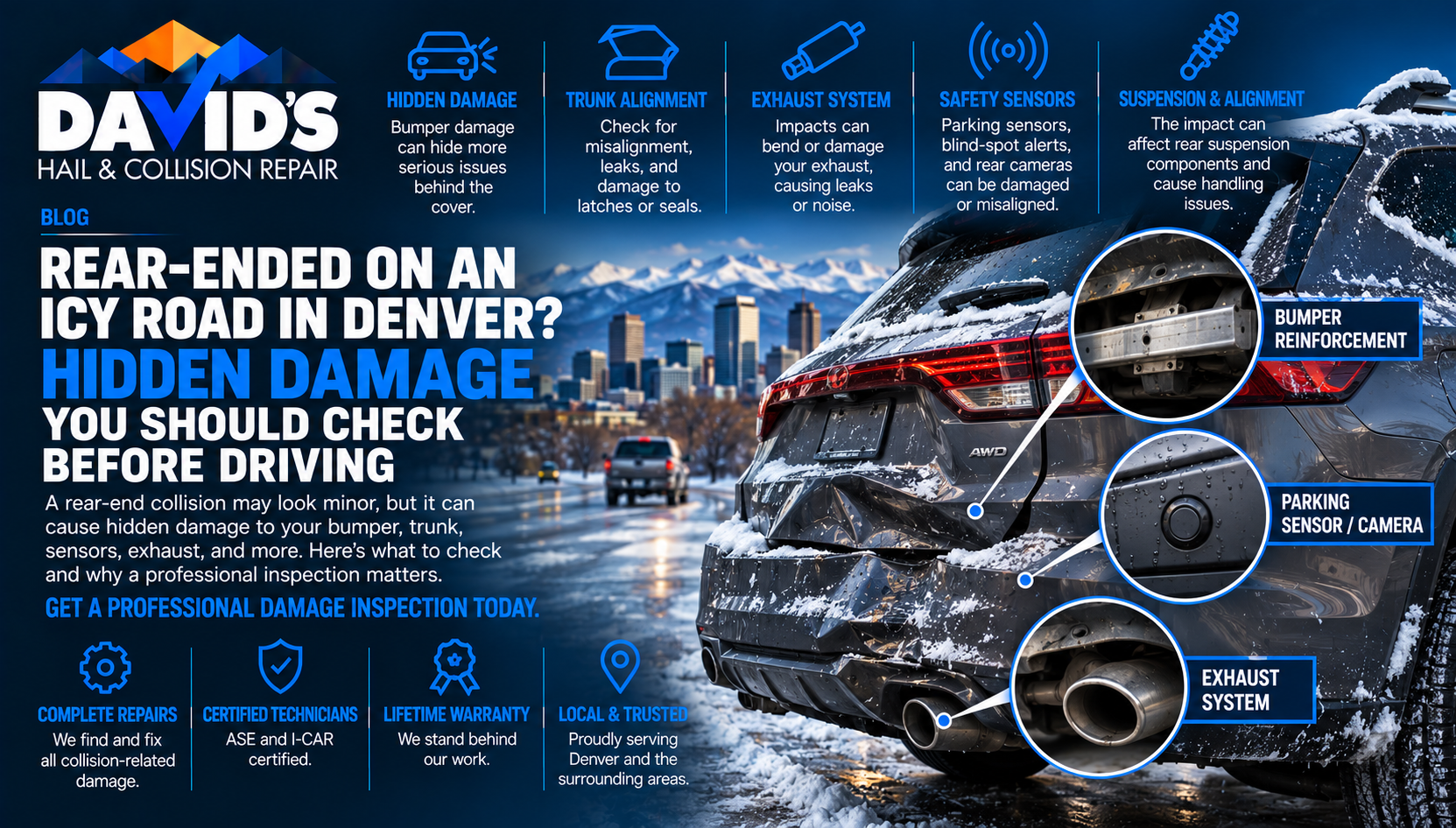
A repair that initially appears straightforward can become more complicated when technicians discover hidden damage or identify additional repair requirements.
Common causes of repair delays include:
- Hidden damage discovered during disassembly
- Insurance supplement reviews
- Replacement parts availability
- Structural repair requirements
- Paint and refinishing procedures
- Mechanical repairs
- Diagnostic scanning
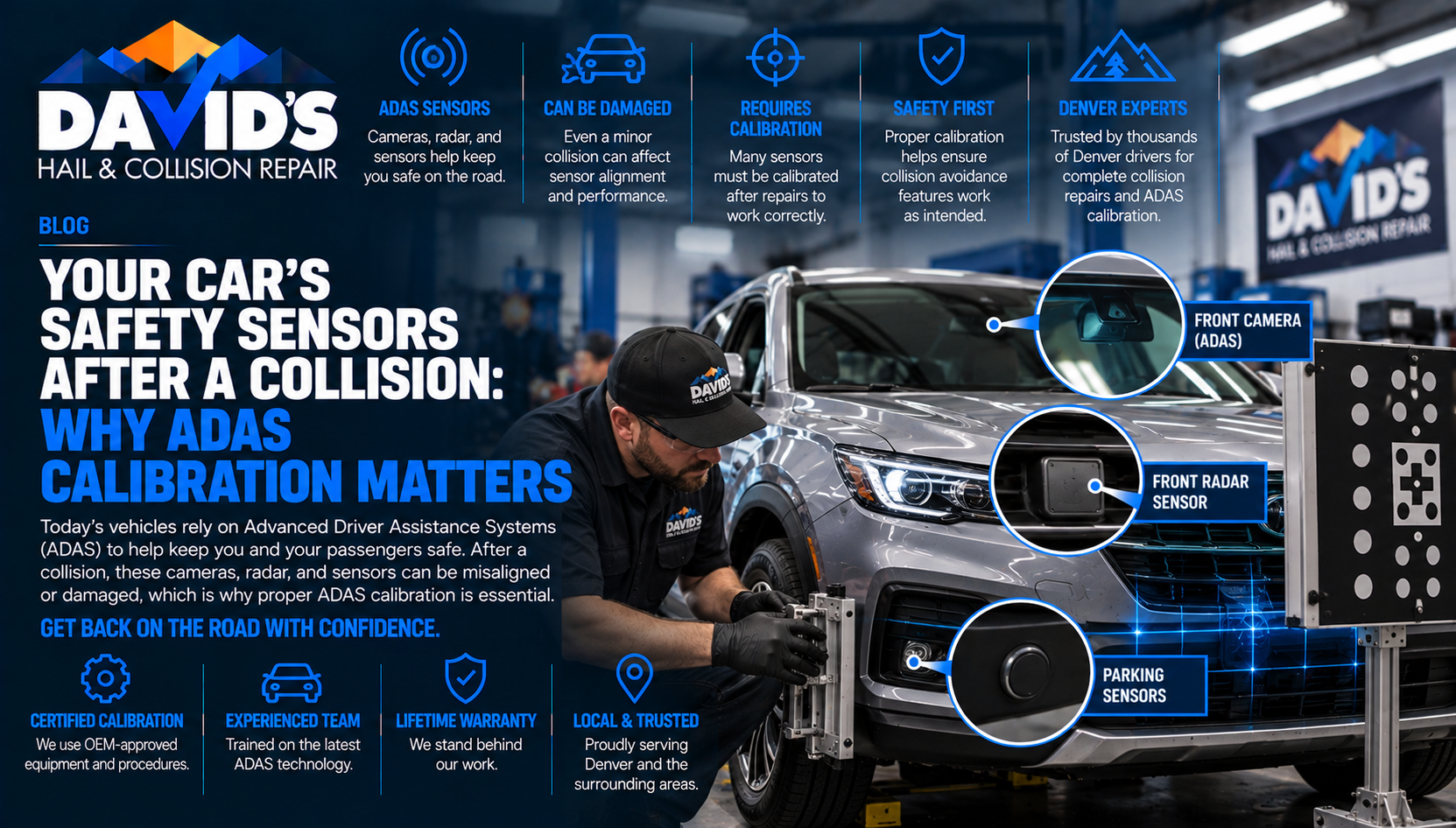
- ADAS calibration
- Additional quality-control procedures
These delays can affect your rental coverage.
For example, your policy may have a maximum rental reimbursement benefit that runs out before the vehicle is ready.
An insurance company may also evaluate whether an extended rental period is reasonable under the circumstances.
A longer repair doesn’t automatically mean your insurance company will extend rental benefits.
That’s why communication between the repair facility, insurance adjuster, and customer is important throughout the process.
6. What If Replacement Parts Are Backordered?
Parts delays can be especially frustrating when your vehicle is already in the repair shop.
Modern vehicles may require specific bumpers, brackets, sensors, headlights, structural components, or other parts that aren’t immediately available.
Some replacement components may also require additional installation procedures or calibration after installation.
When a part is backordered, the repair facility may be unable to complete the vehicle until the correct component arrives.
If you’re using rental reimbursement through your own policy, the applicable benefit limits generally still matter.
If another driver’s insurer is handling the claim, additional rental expenses may be evaluated based on the circumstances, liability, coverage, and reasonable repair time.
Don’t assume a parts delay automatically extends rental coverage.
Ask your adjuster how the delay affects your transportation benefits and whether additional documentation is needed.
7. Can You Choose Your Own Rental Car Company?
Often, yes, but the amount the insurer will pay may depend on your policy or the arrangements made through the claim.
Insurance companies sometimes work with rental providers that offer negotiated rates or direct billing.
Using a participating rental company can simplify the payment process.
However, choosing a more expensive rental vehicle may result in additional out-of-pocket expenses.
Before reserving a vehicle, confirm:
- The authorized daily rental amount
- Whether direct billing is available
- Any required deposits
- Taxes and fees
- Additional-driver charges
- Optional insurance products
- Vehicle-class restrictions
- Mileage limitations, if applicable
A rental car that costs more than your approved allowance can become expensive during a lengthy collision repair.
8. Does Insurance Pay for a Rental SUV or Similar Vehicle?
Not automatically.
Some drivers assume that if their damaged vehicle is an SUV, truck, or luxury vehicle, the insurance company must provide an identical replacement.
The actual rental arrangement depends on the policy, claim, applicable legal requirements, and reasonable transportation needs.
If you’re using your own rental reimbursement coverage, the daily dollar limit may determine which rental vehicles fit within your benefits.
If another driver’s insurer is responsible, the appropriate rental class and reasonable expense may depend on the circumstances.
If you need a larger vehicle for work, family transportation, accessibility, or other practical reasons, explain those needs to the adjuster before booking.
9. What If Your Rental Coverage Runs Out Before Repairs Are Finished?
This is one of the most important situations to prepare for.
If your rental benefits reach their maximum before your vehicle is ready, you may become responsible for additional rental charges.
Depending on your situation, possible next steps include:
- Asking the adjuster to review the reason for the delay
- Confirming whether additional benefits are available
- Reviewing the claim’s rental authorization
- Asking the rental company about lower-cost options
- Exploring alternative transportation
- Reviewing whether another insurer may be responsible for eligible expenses
Additional rental benefits aren’t guaranteed.
The best approach is to understand your limits early and monitor the remaining coverage throughout the repair.
10. What If Your Vehicle Is Declared a Total Loss?
Rental coverage may work differently when the insurance company determines that your vehicle is a total loss rather than repairable.
Under some policies, rental reimbursement ends shortly after the insurer makes or communicates a total-loss determination or settlement offer.
When another driver’s insurer is responsible, the reasonable rental period may depend on the circumstances and applicable requirements.
You shouldn’t assume rental benefits continue until you’ve purchased a replacement vehicle.
If your vehicle may be totaled, ask your adjuster when transportation coverage is expected to end.
That information can help you plan your next steps.
How David’s Hail & Collision Repair Helps With Insurance Claims
After a winter accident, managing repair estimates, adjuster communication, supplements, and rental arrangements can quickly become overwhelming.
David’s Hail & Collision Repair helps customers navigate the repair-related insurance process.
Our team can assist with:
- Initial damage inspections
- Repair estimates and documentation
- Communication with insurance adjusters
- Insurance supplement submissions
- Documentation of additional accident-related damage
- Repair scheduling and coordination
- Rental car coordination when applicable
- Repair status communication
- Final repair inspections
Although insurance companies make the final decisions about coverage and rental benefits, our team can help provide repair information and coordinate with the appropriate parties.
Learn more about our Insurance Claims Assistance services.
Can Deductible Assistance Help After a Winter Accident?
Rental car expenses and insurance deductibles are two different costs.
Rental reimbursement may help with temporary transportation, while your collision deductible generally applies to covered vehicle repairs under your own policy.
David’s Hail & Collision Repair offers up to $500 in deductible assistance on qualifying insured repairs, subject to eligibility requirements and applicable law.
Not every repair qualifies, and assistance is not guaranteed.
If your winter collision repair meets the program requirements, our team can explain whether assistance is available.
Learn more about our Deductible Assistance program.
How to Avoid Rental Car Surprises After a Winter Accident
A little preparation can make a significant difference.
Before your vehicle enters the repair process, consider these steps.
Confirm Your Coverage
Contact the insurance company handling the claim and ask whether rental transportation is covered.
Understand Your Limits
Find out the daily allowance, maximum benefit, and any applicable restrictions.
Ask About Direct Billing
Determine whether the insurance company can arrange direct payment with a participating rental company.
Discuss the Repair Timeline
Ask the collision repair facility for a realistic timeline based on the known damage and repair plan.
Keep in mind that hidden damage, insurance approvals, and parts delays can affect that estimate.
Stay in Communication
Monitor repair updates and remaining rental benefits throughout the process.
Return the Rental Promptly
When your vehicle is ready, confirm the rental return deadline with the insurer and rental company.
Additional days after authorized coverage ends may become your responsibility.
Why Denver Drivers Choose David’s Hail & Collision Repair
David’s Hail & Collision Repair provides professional collision and auto body repair from our permanent Englewood facility.
Our services and customer benefits include:
- ASE and I-CAR certified technicians
- Professional collision repair
- Auto body and structural repair
- Bumper and body-panel repair
- Automotive paint and refinishing
- Insurance claims assistance
- Insurance supplement coordination
- Rental car coordination when applicable
- Up to $500 in deductible assistance on qualifying repairs
- Limited lifetime warranty on qualifying repairs
- A+ Better Business Bureau rating
- Free damage inspections
- English and Spanish-speaking customer assistance
We understand that losing access to your vehicle can disrupt your entire routine.
Our goal is to make the repair process easier to understand, communicate clearly, and help you get back on the road.
Winter Collision Repair in Denver and Surrounding Communities
David’s Hail & Collision Repair is located in Englewood, Colorado, and serves drivers throughout the Denver metro area, including:
Denver • Englewood • Aurora • Lakewood • Littleton • Centennial • Highlands Ranch
Whether your vehicle was damaged in an icy intersection, rear-end collision, parking-lot accident, or winter highway crash, our team can evaluate the damage and help coordinate the repair process.
Schedule Your Free Winter Collision Damage Inspection
A winter accident is stressful enough without unexpected rental expenses and confusing insurance paperwork.
If your vehicle needs collision repair, David’s Hail & Collision Repair can inspect the damage, explain the repair process, and help coordinate with your insurance company.
We’ll help you understand the next steps so you can make informed decisions about your vehicle and transportation needs.
Call (303) 815-3854 or schedule your free inspection online.