




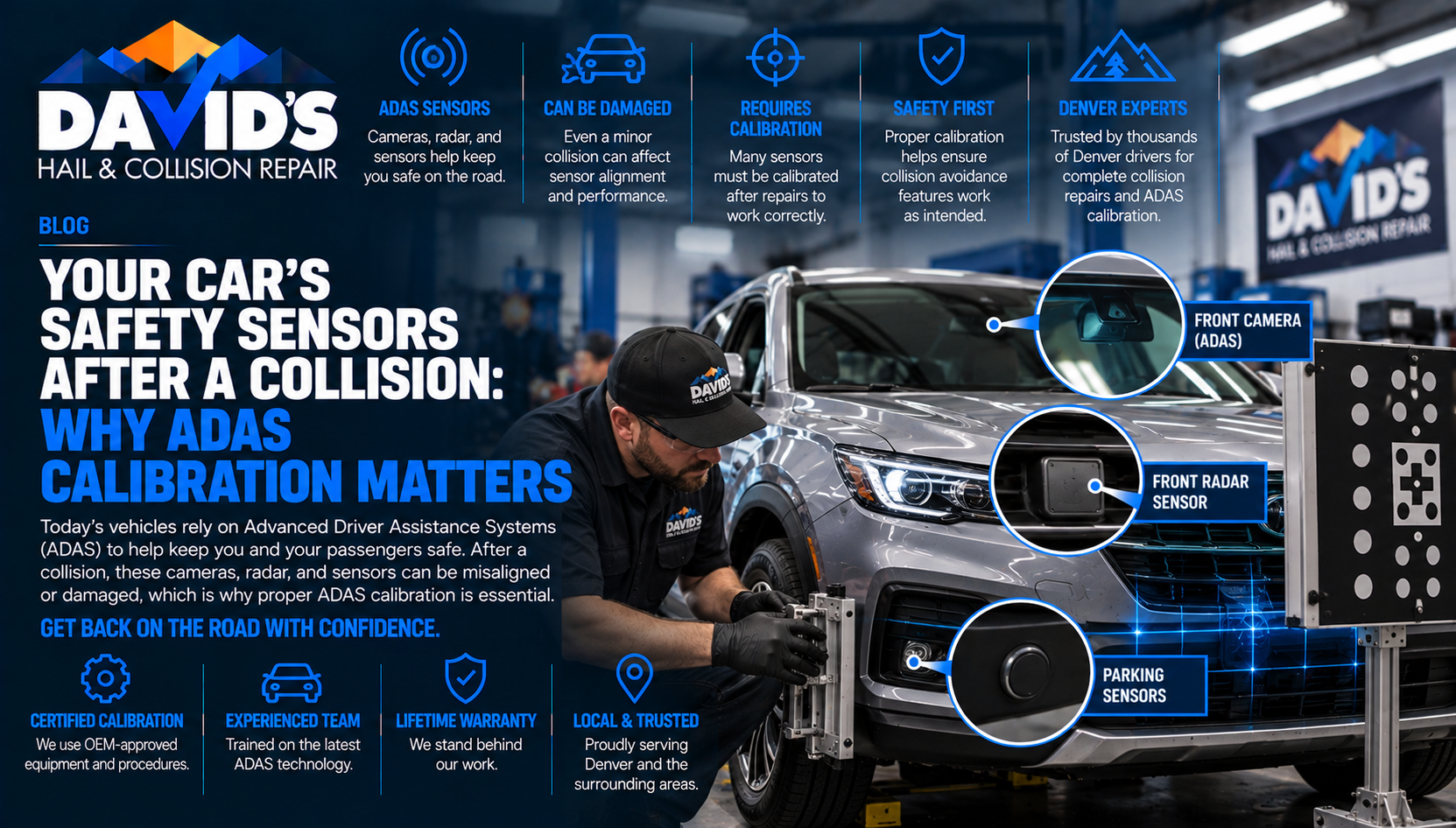
Your Car’s Safety Sensors After a Collision: Why ADAS Calibration Matters
Your bumper has been repaired. The dents are gone. The paint looks perfect. From the outside, your vehicle appears to be back to normal.
But what about the technology you can’t see?
Modern vehicles rely on cameras, radar sensors, and sophisticated electronic systems to help drivers avoid accidents. These features can monitor surrounding traffic, detect obstacles, assist with braking, and warn drivers when another vehicle enters their blind spot.
After a collision, even one that appears relatively minor, these systems may require professional inspection, diagnostic testing, or calibration.
And here’s what surprises many drivers: Your vehicle’s safety technology may need attention even when there are no warning lights on the dashboard.
Understanding why ADAS calibration matters after an accident can help you make more informed decisions about your vehicle’s collision repairs.
At David’s Hail & Collision Repair in Englewood, Colorado, we help drivers throughout the Denver metro area navigate the collision repair process and understand the importance of following appropriate manufacturer repair procedures.
What Is ADAS in a Vehicle?
ADAS stands for Advanced Driver-Assistance Systems.
These systems use cameras, radar, ultrasonic sensors, and other technologies to help drivers monitor their surroundings and respond to potential hazards.
Depending on the vehicle, ADAS features may include:
-
Automatic Emergency Braking (AEB): Can apply braking assistance when the system detects a potential collision.
-
Forward Collision Warning: Alerts drivers when the system identifies a possible frontal collision.
-
Adaptive Cruise Control: Adjusts vehicle speed to help maintain a selected following distance.
-
Lane Departure Warning: Alerts drivers when the vehicle unintentionally leaves its lane.
-
Lane Keeping Assistance: May provide steering assistance to help maintain lane position.
-
Blind Spot Monitoring: Warns drivers about vehicles detected in adjacent lanes.
-
Rear Cross-Traffic Alert: Detects approaching vehicles when backing out of parking spaces.
-
Parking Assistance: Uses sensors or cameras to help identify nearby obstacles.
These systems are designed to assist drivers, not replace attentive driving.
Their performance depends on several factors, including sensor condition, positioning, visibility, software, and vehicle-specific operating requirements.
Why Can a Collision Affect Your Car’s Safety Sensors?
Many ADAS components are installed in areas commonly affected by vehicle collisions.
Front-facing radar sensors may be mounted behind the grille or bumper. Cameras may be positioned near the windshield. Blind-spot radar units are frequently installed near the rear corners of the vehicle.
An impact can damage these components directly or affect the brackets and structures that hold them in position.
Even a Minor Accident Can Affect Sensor Alignment
Imagine your vehicle is involved in a low-speed rear-end collision.
The bumper cover is scratched, but the visible damage seems minimal.
Behind that cover, however, a radar mounting bracket may have shifted or become damaged.
Depending on the vehicle’s design, that change could affect the sensor’s orientation and operation.
Similarly, front-end collisions may affect radar units, camera mounting points, or other components used by driver-assistance systems.
A collision doesn’t automatically mean every sensor needs recalibration. However, it does mean the affected systems should be evaluated according to the manufacturer’s repair requirements.
What Is ADAS Calibration?
ADAS calibration is a procedure used to establish or verify the correct positioning, alignment, or operating parameters of certain driver-assistance system components.
Depending on the vehicle and system, calibration may involve specialized diagnostic equipment, manufacturer-specific software, alignment targets, controlled driving conditions, or other procedures.
The objective is to help ensure the affected system operates within the manufacturer’s specified parameters.
Static ADAS Calibration
Static calibration is generally performed while the vehicle remains stationary.
Depending on the system, technicians may position specialized targets or calibration equipment at precise distances and angles around the vehicle.
The process may require specific lighting, floor conditions, vehicle positioning, and diagnostic procedures.
Dynamic ADAS Calibration
Dynamic calibration generally involves driving the vehicle under manufacturer-specified conditions.
The system may use road markings, surrounding traffic, and other environmental information during the calibration procedure.
Certain vehicles require specific speeds, road conditions, or driving durations.
Some Vehicles Require Both
Depending on the make, model, system, and repair performed, a vehicle may require static calibration, dynamic calibration, or both.
Not every vehicle uses the same process.
That’s why proper ADAS calibration depends on the manufacturer’s instructions rather than a universal procedure applied to every vehicle.
Which Collision Repairs May Require ADAS Calibration?
ADAS calibration requirements depend on the vehicle and the repairs being performed.
Certain repairs or component replacements can trigger manufacturer-specified calibration procedures even when the affected system appears to be functioning normally.
Front Bumper Repair or Replacement
Front bumpers may contain or surround radar sensors used for adaptive cruise control and automatic emergency braking.
Repairing or replacing a bumper cover, radar bracket, grille, or related components may require additional diagnostic or calibration procedures.
Some manufacturers also restrict certain bumper repairs or paint operations in areas associated with radar operation.
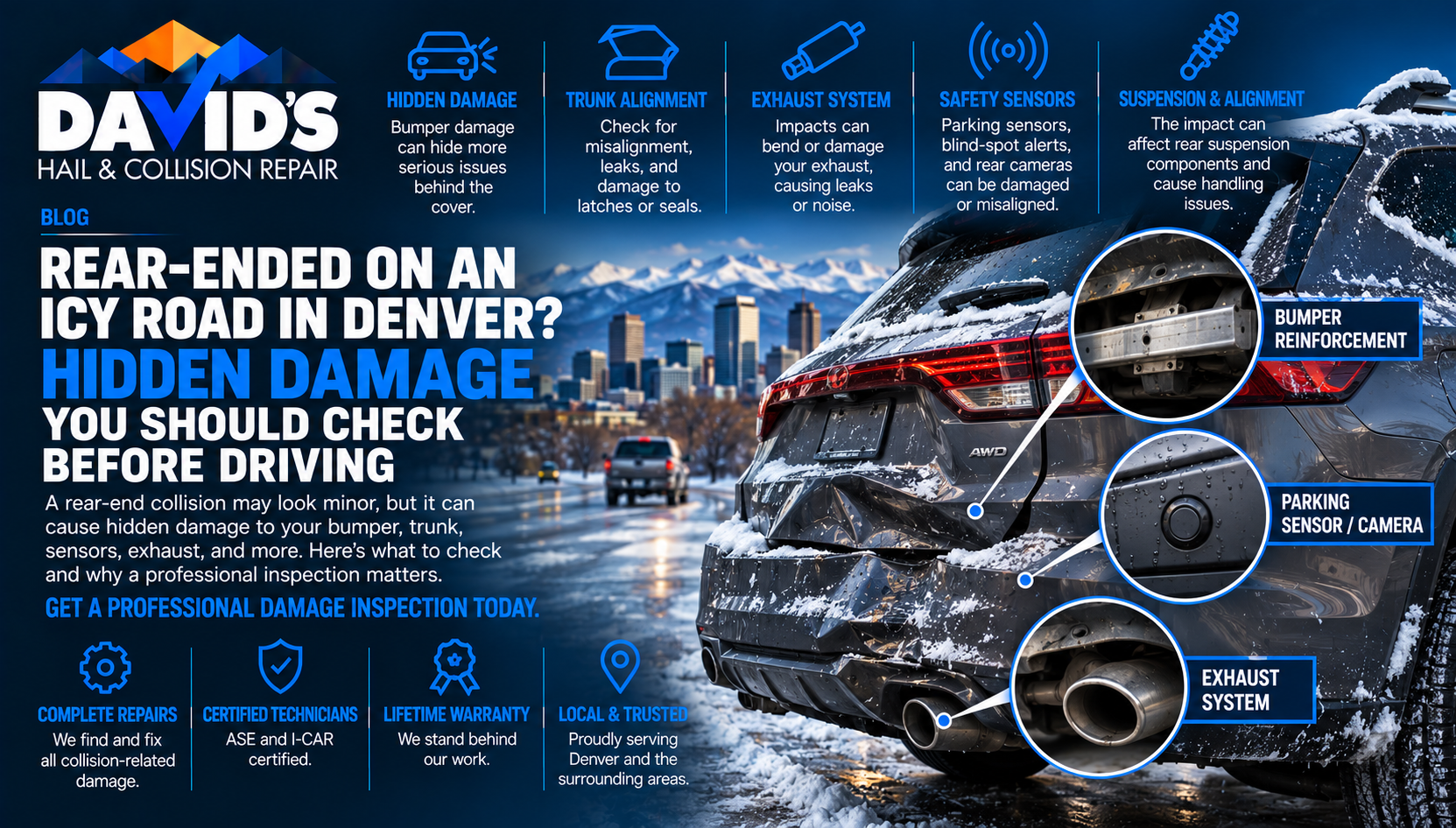
Rear Bumper Repair or Replacement
Rear bumper assemblies may contain radar units used for blind-spot monitoring and rear cross-traffic alerts.
Collision damage or repairs involving these components can affect sensor mounting and positioning.
Windshield Replacement
Many vehicles use forward-facing cameras mounted near the windshield.
Windshield replacement or camera removal may require calibration according to the manufacturer’s procedures.
This can be necessary even when the windshield replacement was unrelated to a collision.
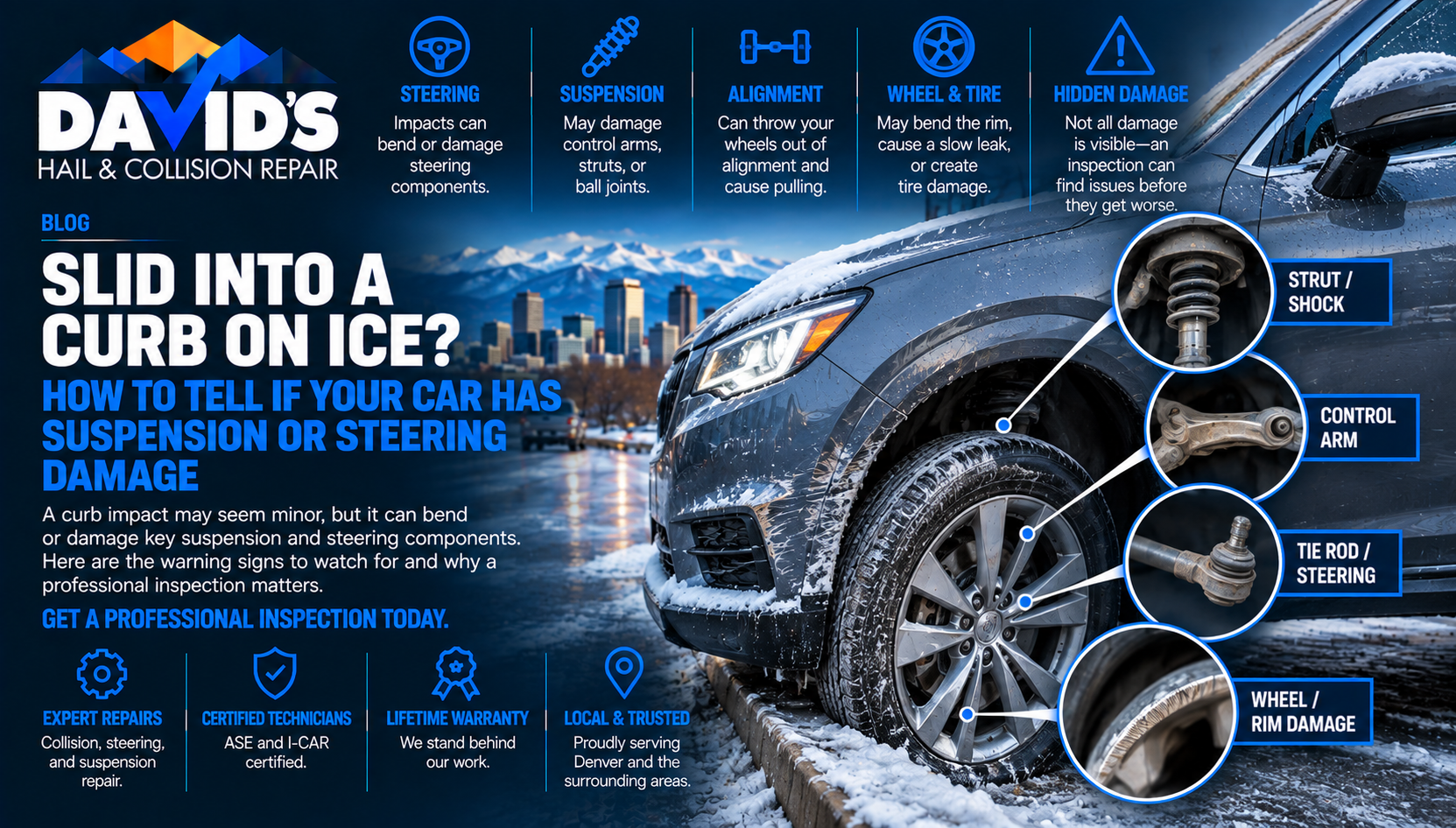
Suspension and Wheel Alignment Repairs
Some driver-assistance systems rely on accurate vehicle geometry and alignment information.
Depending on the vehicle, certain suspension repairs, wheel alignment procedures, or changes in vehicle ride height may require additional ADAS-related checks or calibration.
Structural Collision Repairs
When collision damage affects structural components or sensor mounting locations, the repair process may require measurements, component replacement, and calibration to restore affected systems properly.
The exact requirements must be determined for the specific vehicle.
Can ADAS Sensors Be Misaligned Without a Dashboard Warning Light?
Yes.
A warning light is not the only indication that an ADAS system may require attention.
Some faults are detected and reported by the vehicle, while other conditions may not trigger an obvious dashboard warning.
For example, a sensor may still communicate electronically even though its mounting position has changed.
Whether that condition produces a diagnostic trouble code or warning depends on the system and the nature of the problem.
The absence of a dashboard warning light does not prove that every driver-assistance system is correctly calibrated.
Following manufacturer repair procedures and performing the required inspections, diagnostics, and calibrations are important parts of collision repair.
What Happens if ADAS Calibration Is Skipped After a Collision?
When a manufacturer-required calibration is omitted, an affected driver-assistance system may not operate as intended.
Depending on the system and the nature of the misalignment or damage, potential consequences may include:
-
Delayed or inaccurate hazard detection.
-
Unnecessary or unexpected system warnings.
-
Driver-assistance features becoming unavailable.
-
Incorrect lane-position interpretation.
-
Reduced reliability of parking or blind-spot alerts.
-
Automatic braking or adaptive cruise control not responding as designed.
These are potential risks, not guaranteed outcomes of every collision.
Some systems may disable themselves when a fault is detected. Others may continue operating without an obvious warning.
This is why visual appearance alone should never determine whether a vehicle’s collision repairs are complete.
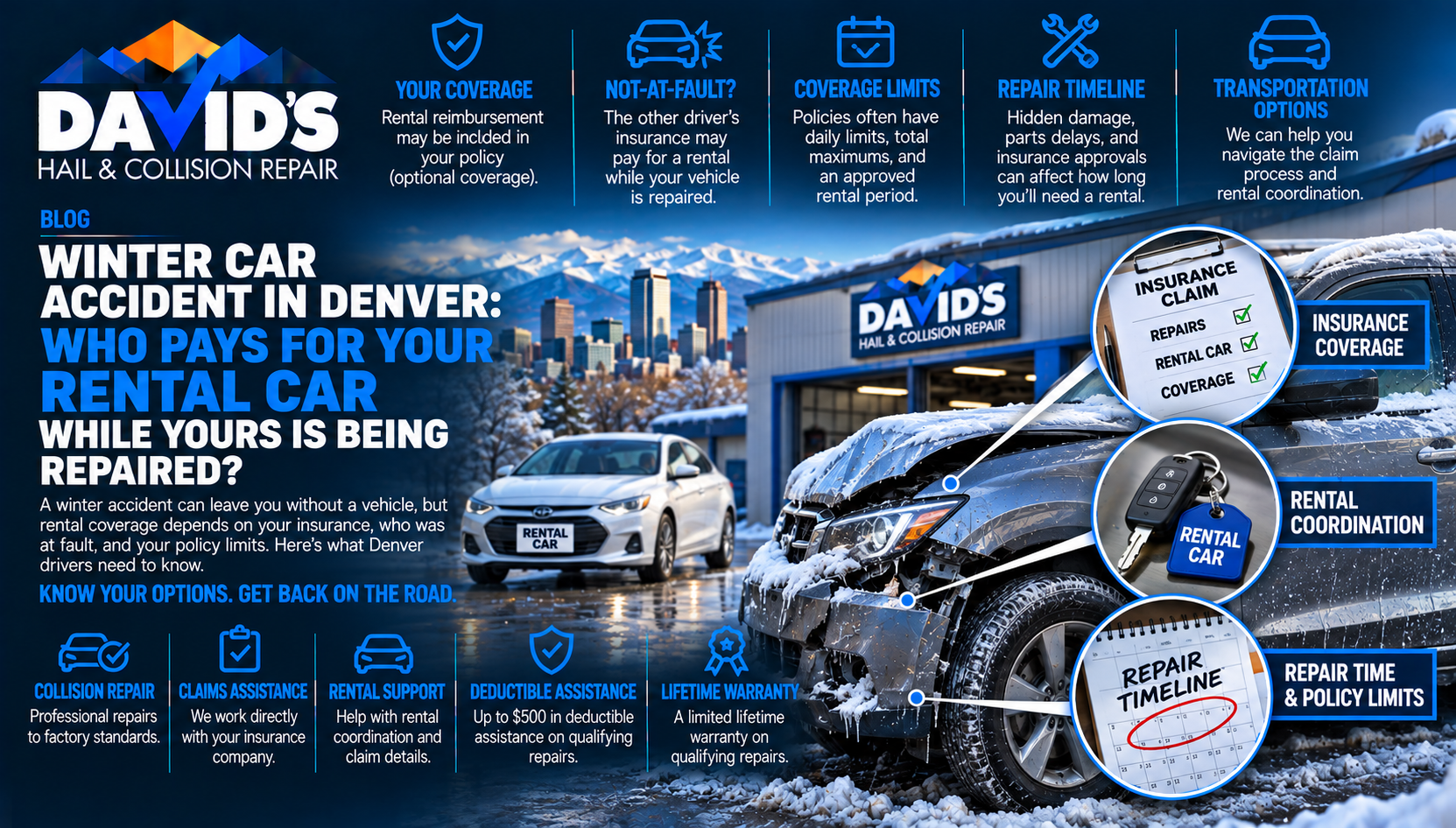
Does Insurance Cover ADAS Calibration After an Accident?
ADAS calibration may be covered under an applicable auto insurance claim when it is necessary to complete covered collision repairs.
Coverage depends on the policy, the circumstances of the accident, the required procedures, and the insurer’s claim determination.
What if ADAS Calibration Isn’t Included in the Initial Insurance Estimate?
An initial insurance estimate may not identify every procedure needed to repair the vehicle.
As the repair process progresses, the shop may determine that additional diagnostic testing, calibration, or related operations are required under the manufacturer’s procedures.
When appropriate, the repair facility can document those requirements and submit a supplemental estimate for the insurance company to review.
At David’s Hail & Collision Repair, we assist customers with insurance claims and communicate with insurance adjusters throughout the repair process.
Our team can help explain the documented repair requirements and the next steps involved in seeking insurance approval.
Can Any Auto Body Shop Perform ADAS Calibration?
Not every collision repair facility has the same equipment, training, or capabilities.
ADAS calibration can require specialized tools, precise environmental conditions, access to manufacturer repair information, and trained technicians.
Some collision repair facilities perform certain calibrations in-house. Others coordinate required procedures with qualified calibration specialists or other service providers.
What matters is that the required procedures are identified and completed correctly for the specific vehicle.
When choosing a collision repair shop, ask how the facility determines whether ADAS calibration is necessary and how required procedures are handled.
Questions to Ask Your Collision Repair Shop
Before authorizing repairs on a vehicle equipped with advanced driver-assistance technology, consider asking:
-
Will you check the manufacturer’s ADAS repair requirements?
-
Could the collision have affected any cameras or radar sensors?
-
Will the vehicle receive appropriate diagnostic testing?
-
Are any calibrations required after the planned repairs?
-
How will required calibration procedures be completed?
-
Will the completed work be documented?
A professional repair facility should be able to explain the process and identify any specialized procedures involved.
Why Proper ADAS Repair Matters During Colorado Winters
Denver-area drivers encounter challenging conditions throughout fall and winter.
Snow-covered roads, freezing temperatures, reduced visibility, and changing road conditions can make safe driving especially important.
Modern driver-assistance systems can provide useful support, but their capabilities have limitations.
Snow, ice, dirt, and other obstructions may interfere with cameras and sensors. Some systems may become temporarily unavailable when environmental conditions prevent reliable operation.
Even correctly calibrated systems cannot eliminate the risks associated with icy roads or poor visibility.
That’s why drivers should understand both the benefits and limitations of their vehicle’s safety technology.
Following proper collision repair procedures helps address collision-related damage, while attentive driving remains essential in every season.
Professional Collision Repair for Modern Vehicles in Denver
Today’s vehicles are more technologically advanced than ever.
A collision repair that once involved replacing a bumper or repairing a body panel may now involve evaluating electronic safety systems, inspecting sensor mounting points, and following manufacturer-specific procedures.
At David’s Hail & Collision Repair, we understand the importance of addressing more than visible damage.
Located in Englewood, Colorado, we serve drivers throughout Denver, Aurora, Lakewood, Littleton, and surrounding communities.
Our services include:
-
Professional collision damage inspections and repairs.
-
Insurance claims assistance.
-
Paintless Dent Repair when appropriate.
-
Deductible assistance on qualifying repairs.
-
A lifetime warranty on qualifying repairs.
When vehicle-specific repairs require specialized diagnostics or calibration, it’s important that the necessary procedures are identified and appropriately addressed as part of the repair process.
Get Your Free Collision Repair Estimate
If your vehicle has been involved in an accident, don’t assume everything is functioning properly just because the exterior damage appears minor.
Modern cameras, radar sensors, and driver-assistance systems may require additional attention following a collision.
David’s Hail & Collision Repair can help evaluate your vehicle’s collision damage, explain the repair process, and identify appropriate next steps.